

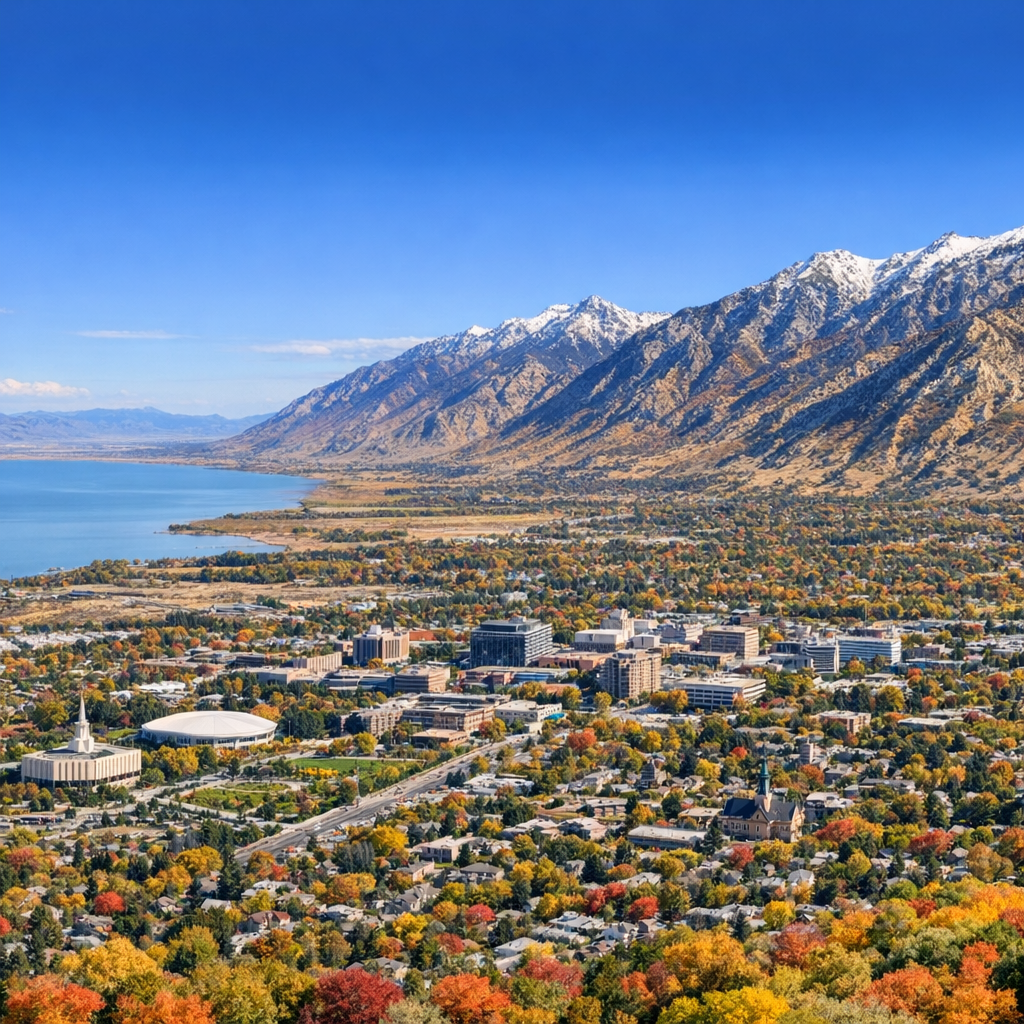
Provo, Utah, nestled between Utah Lake and the Wasatch Mountain Range, experiences a diverse climate that shapes the daily lives of its residents. Understanding these patterns can help the community better prepare for seasonal changes and appreciate the natural beauty of the area.
Seasonal Temperature Variations
Provo’s climate is characterized by distinct seasons:
- Summer: From June to September, temperatures often rise above 79°F, with July being the hottest month, averaging highs around 90°F. The low humidity during this period makes the heat more bearable.
- Winter: Spanning from November to February, winters are cold and snowy. Average daily high temperatures fall below 45°F, with January being particularly chilly, averaging highs of 36°F and lows of 21°F. Snowfall is common, contributing to the city’s picturesque winter landscape.
- Spring and Fall: These transitional seasons offer moderate temperatures and are often considered the most comfortable times of the year. Spring sees increasing warmth and blooming flora, while fall brings cooler temperatures and vibrant foliage.
Precipitation and Snowfall
Provo receives an average annual precipitation of approximately 20 inches, with May typically being the wettest month. Snowfall averages around 60 inches per year, primarily occurring from December through February, providing ample opportunities for winter sports enthusiasts.
Air Quality Concerns
Despite its natural beauty, Provo faces challenges with air quality. The Salt Lake City-Provo-Orem metropolitan area has been ranked among the worst in the U.S. for ozone pollution. Ozone pollution poses health risks, including respiratory issues and heart disease. Major contributors to this pollution include transportation, industrial activities, and oil and gas production. Community efforts and policy changes are essential to address and mitigate these environmental concerns.
Preparing for Provo’s Climate
Residents can take several steps to adapt to Provo’s climate:
- Summer: Stay hydrated, wear appropriate clothing, and be mindful of heat-related illnesses during peak temperatures.
- Winter: Prepare for snowy conditions by winterizing homes and vehicles, and stay informed about weather forecasts to navigate potential snowstorms safely.
- Air Quality: Monitor air quality indices, especially during high pollution periods, and limit outdoor activities when necessary to protect health.
By understanding and preparing for Provo’s diverse climate, residents can enjoy all that the city has to offer throughout the year.